
Turning composer study into something children actually ask for again.
If you’ve ever wanted to introduce your children to classical music but weren’t sure where to start beyond “let’s listen to some Mozart,” the Story Orchestra series might be exactly what your home education library is missing. These interactive picture books pair gorgeous illustrations with real sound clips from famous orchestral scores, turning composer study from a worksheet exercise into something children genuinely want to pick up again and again.
Written by Katy Flint and illustrated by Jessica Courtney-Tickle, the series retells classic ballets, operas and orchestral works as picture-book stories. Press a button on the page, and you hear a 10-second clip of a real orchestra playing the music that inspired that scene. It’s a simple idea, but it does something a lot of music appreciation resources struggle with: it lets children connect a piece of music to a feeling, a character, or a moment in a story, rather than just a composer’s name and a date.
The Story Orchestra: Four Seasons in One Day

The book that started the series is built around Vivaldi’s The Four Seasons. We follow a little girl called Isabelle and her dog, Pickle, as they travel through all four seasons in a single day, carrying a small apple tree that buds, blossoms, and loses its leaves as the story moves from spring through to winter. Children press the buttons to hear ten excerpts from the violin concerti as each season unfolds in the illustrations.
At the back of the book is where this series really earns its place in a home education setting: a short biography of Vivaldi and the story behind his composition, alongside a replay function for each musical excerpt with notes on the instruments, rhythms and techniques being used. There’s also a glossary of musical terms, genuinely useful for building vocabulary around music in an age-appropriate way.
Worth knowing: reviewers consistently mention that the sound buttons need a firm, accurate push to work, and that there’s a white tab inside the back cover that needs removing before the sound board will activate — worth checking before assuming a button is faulty.
The Rest of the Series
Once Four Seasons in One Day found its audience, the series grew steadily and now covers twelve main titles in total, spanning ballet, opera, fairy tale, Shakespeare and orchestral suites.

The Nutcracker
Tchaikovsky — Clara’s Christmas Eve adventure with her nutcracker doll.

The Sleeping Beauty
Tchaikovsky — the familiar fairy tale paired with the ballet’s score.

Swan Lake
Tchaikovsky — Prince Siegfried follows an enchanted flock of swans to a lake.

Carnival of the Animals
Saint-Saëns — two brothers discover a magical animal kingdom behind their bookcase.


In the Hall of the Mountain King
Grieg — a boy’s adventure through the valleys and mountains of Norway, retelling Peer Gynt.

The Planets
Holst — siblings blast off in a space rocket bunk bed to explore the solar system. Winner, Good Housekeeping Best Kids Book Award 2023.
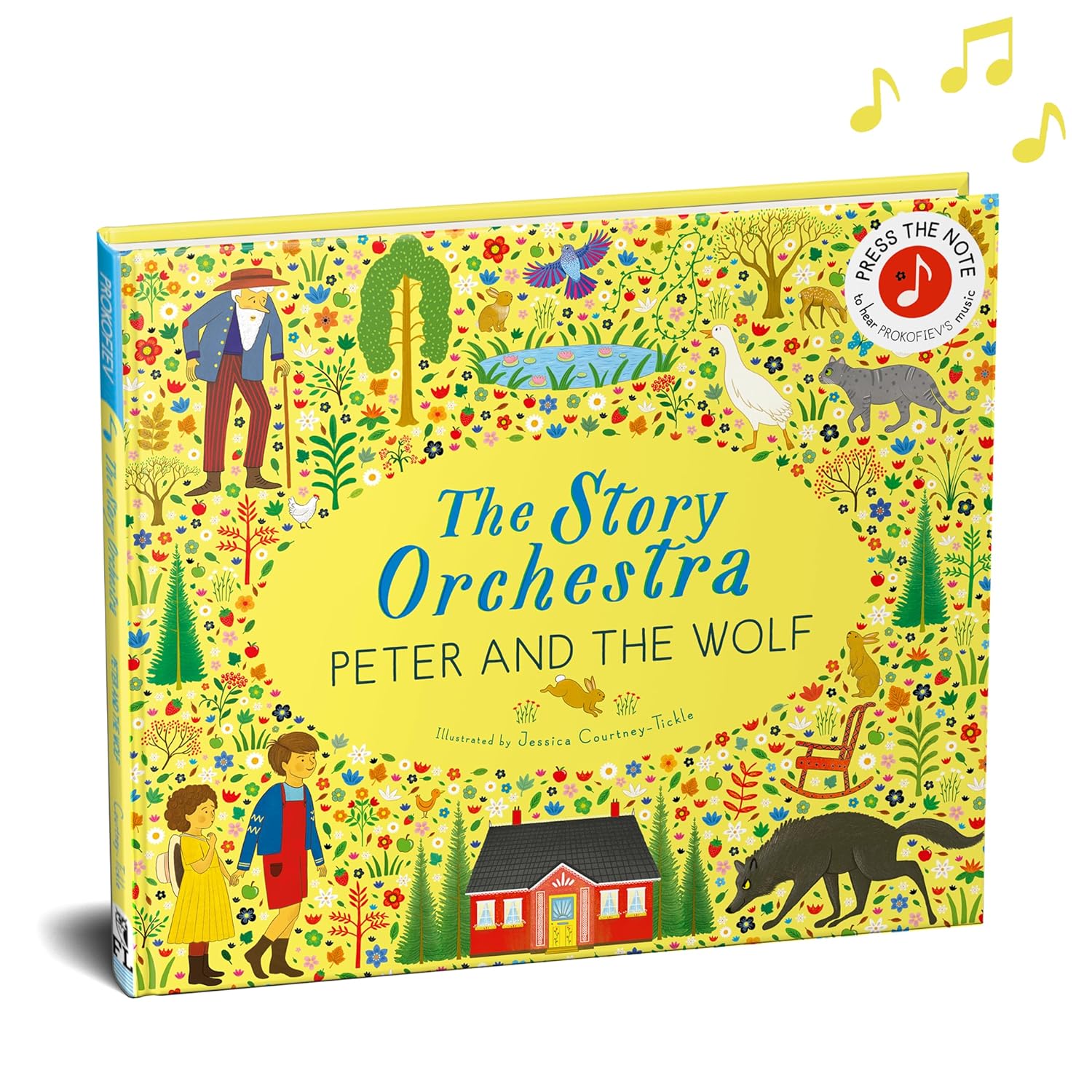
Peter and the Wolf
Prokofiev — Peter defies his grandfather’s warnings to save his animal friends from a wolf in the woods.
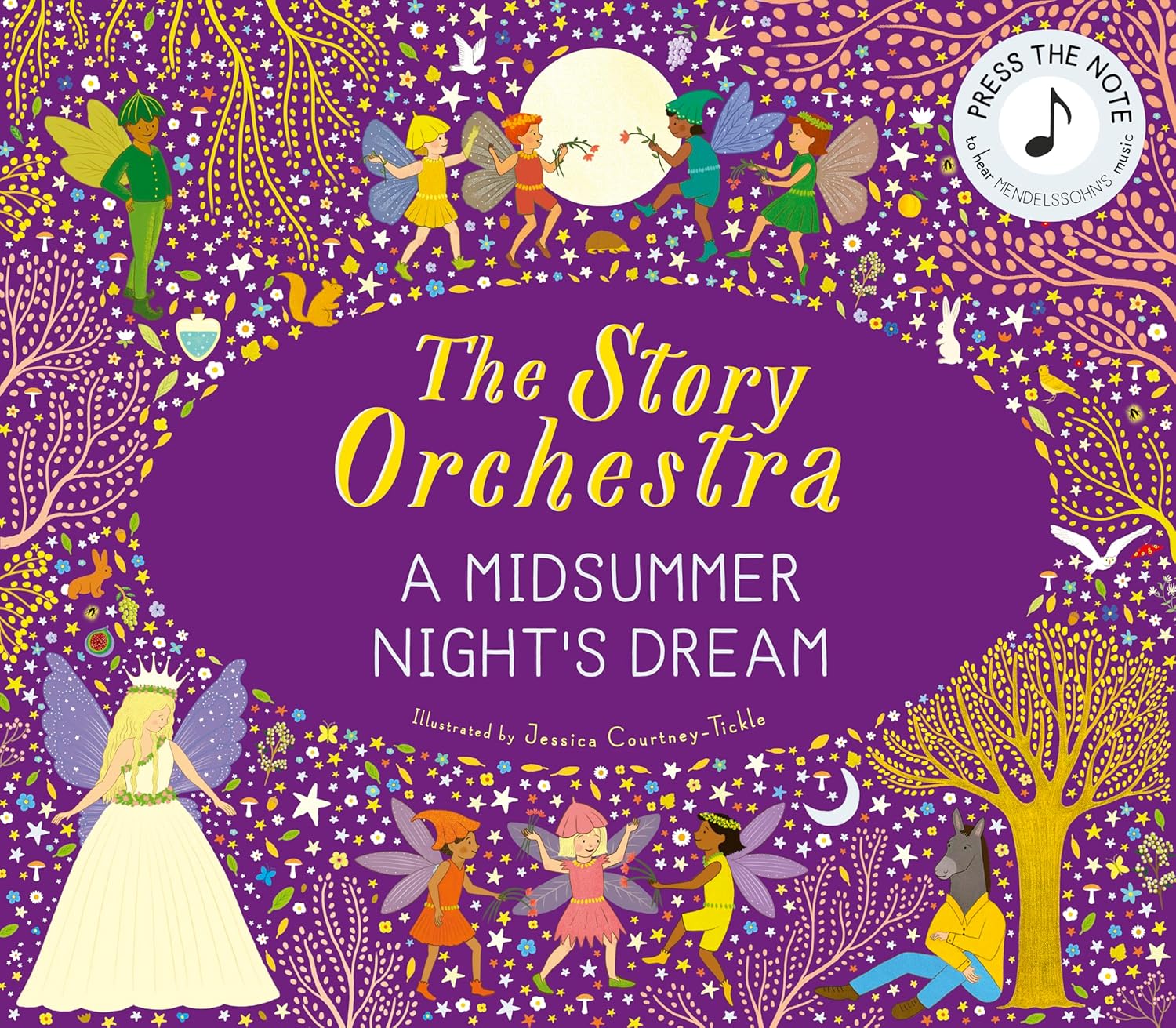
Shakespeare’s A Midsummer Night’s Dream
Mendelssohn — mischievous fairies, lively actors and young lovers get caught up in pranks in the woods near Athens.

Hansel and Gretel
Humperdinck — the Grimms’ classic tale of two children, a gingerbread cottage and an evil witch in the woods.

I Can Play
A spin-off with a built-in keyboard so children can play eight easy pieces themselves.
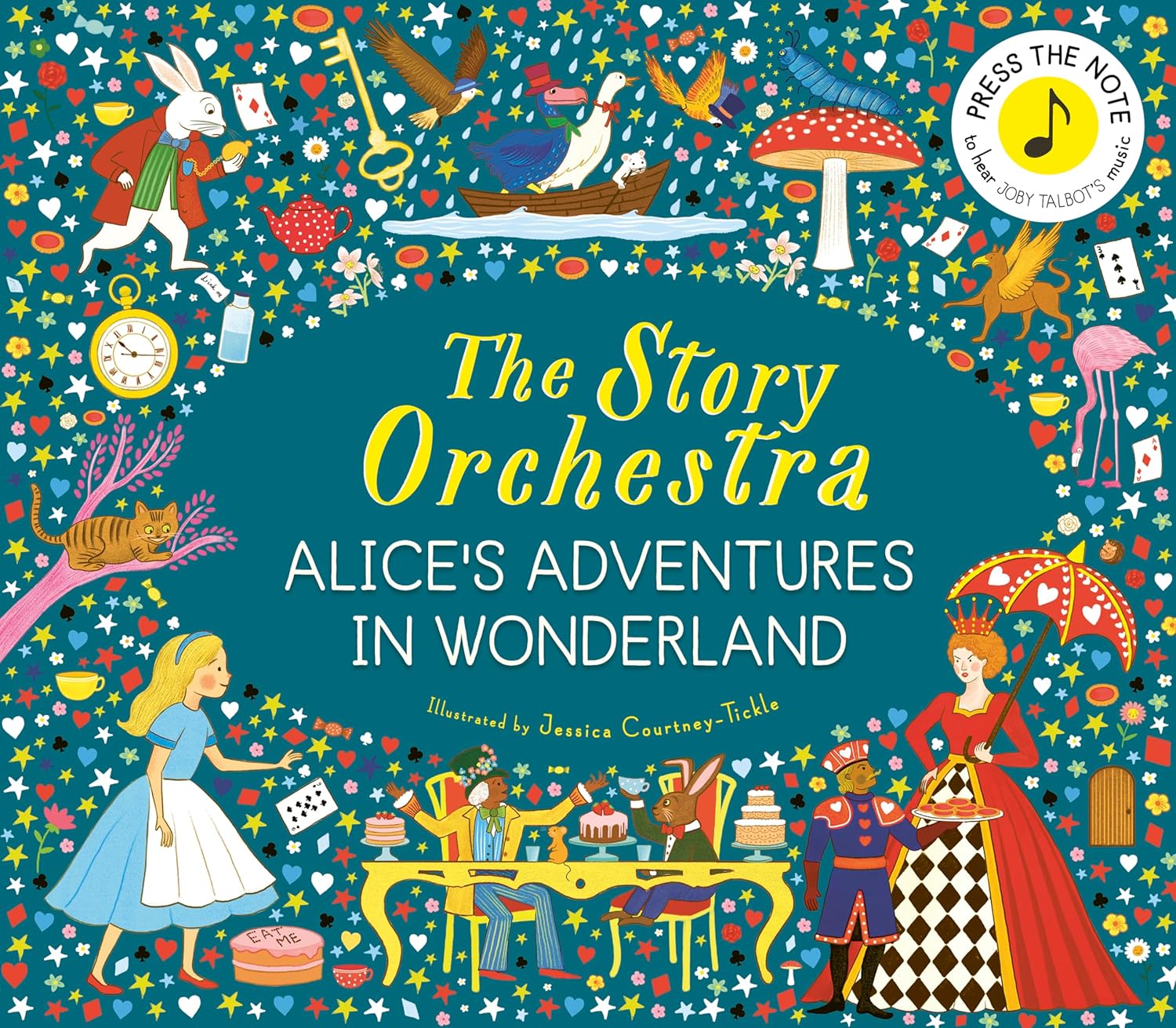
Alice’s Adventures in Wonderland
Joby Talbot — tumble down the rabbit hole into Lewis Carroll’s world of magic and music. Releasing 8 October 2026.
My First Story Orchestra (Board Books)

A sturdier board book range aimed at babies and toddlers, with six sound clips per book. The set includes Swan Lake, The Nutcracker, Four Seasons in One Day, and Carnival of the Animals – a good starting point if your little ones are still at the chewing-the-corners stage of book ownership.
Why This Works Well for Home Educators
You don’t need a structured “music lesson” to get real value out of these books. A few ways families tend to use them:
- Composer study made concrete. Rather than reading a biography of Vivaldi or Tchaikovsky in isolation, children hear the actual music while learning about the person who wrote it and the story behind the piece.
- Seasonal and topic-based learning. Four Seasons in One Day slots naturally into a seasons topic, The Planets pairs with a space unit, and Carnival of the Animals works well with an animals or habitats theme.
- Building musical vocabulary early. The glossary and instrument discussions introduce terms like tempo, pizzicato or crescendo in context, which tends to stick far better than a flashcard.
- Independent reading and replay value. Because children can keep pressing the buttons to replay clips, these books get returned to long after a single “lesson” would normally end — more exposure to the music over time, with no extra effort from you.
- A gentle bridge to live music. Many families find that once a child recognises a piece of music from one of these books, they’re far more engaged if they later hear it performed live, on the radio, or in a film soundtrack.
They also make a thoughtful addition to a home education resource shelf if you’re building out a broader music appreciation routine alongside things like composer-of-the-term studies, or simply want something to bring out on a rainy afternoon that doesn’t feel like “work” to your children, even though it absolutely is.
As an Amazon Associate, we earn from qualifying purchases. This means that if you click on one of the product links above and make a purchase, we may receive a small commission at no extra cost to you. We only recommend books and resources we believe will genuinely benefit home educating families.
Comments